AI Research Digest — Thursday, November 19, 2026
Thursday's cs.AI announcement day (2026-11-19) lists 82 new and 148 cross-lists (replacements skipped; listing total 230). A filter for agent systems, memory/context, computer-use / tools / skills / harnesses, multi-agent, persistence, and local/open models keeps 30 papers. The day's main theme is gating and governing change in agent systems. GUARD promotes a harness edit only when it fixes new failures without breaking earlier self-checks, ARISE accepts a new memory rule only when held-out accuracy rises, and Safe Personal RSI evaluates a personal agent's updates before they ship. A second cluster is about cost and context: small open-weight models are closing the gap on software engineering tasks, timeout cascades escalate to larger models only on failure, and several papers hand off, mask or down-resolve context instead of replaying it. Tool safety rounds out the day, with intent contracts that remove tools, an action-ledger study showing idempotency is not recovery, two prompt-injection red-teaming papers, and continuation audits for overeager coding agents.
Research Papers
Where the Tokens Go: Heat, Entropy and Error in Agentic Coding
Alán Aspuru-Guzik, Varinia Bernales arXiv: 2611.23375
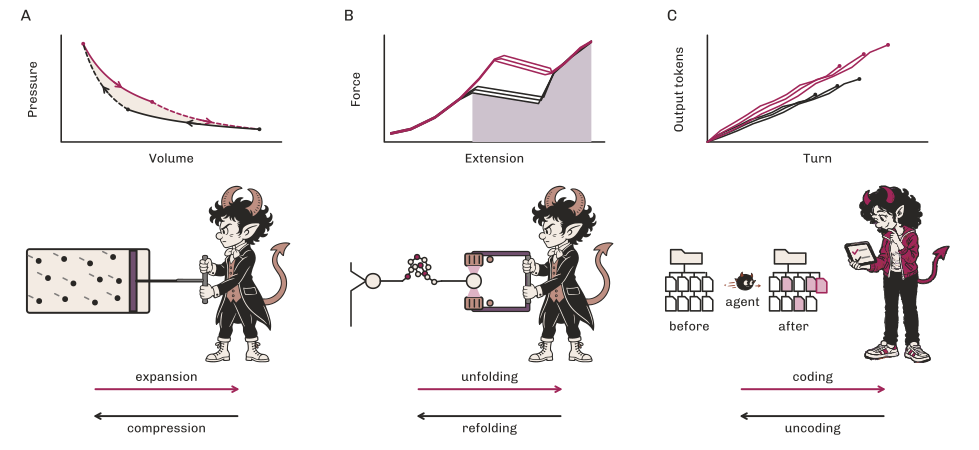
Introduces a theory of software thermodynamics for agentic coding, framing token spend in terms of heat, entropy and error. The practical appeal is a vocabulary for asking how much of a coding agent's run goes to wasted retries rather than progress.
Key insight: A thermodynamic lens on coding-agent token spend, aimed at separating useful work from wasted retries.
GUARD: Stabilizing Recursive Self-Improvement with Regret Guidance
Minghe Zhang, Xuetao Kang, Yifei Ming et al. arXiv: 2611.23476
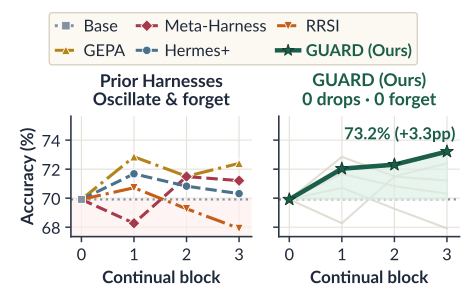
Presents GUARD (Grader-free Unsupervised Environment Design with Adaptive Rule Distillation), a closed-loop framework for reference-free continual harness evolution. Its gating idea is to promote a harness edit only when it fixes new failures without breaking self-checks the harness already passes, which targets the regressions and bloat that plague self-editing agents.
Key insight: Only promote a harness edit when it fixes new failures without breaking previously mastered self-checks.
GRAFT: Execution-Guided Genetic Recombination for Agent Design
Sevda Ebrahimi, Mohammed Saidul Islam, Xiaodan Zhu et al. arXiv: 2611.23509
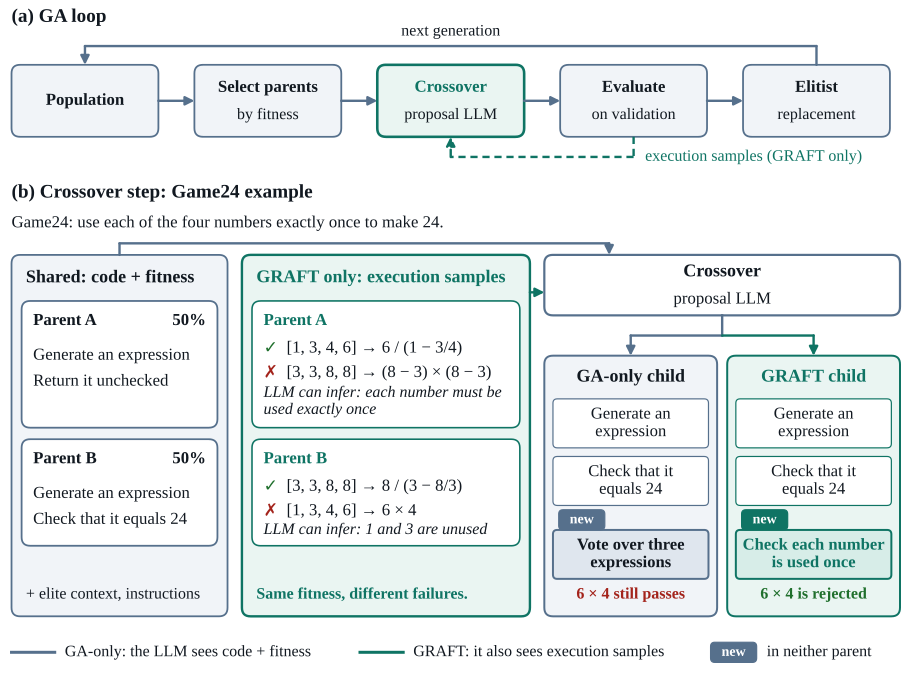
Introduces GRAFT, which searches over agent designs with genetic recombination. Aggregate fitness drives selection and survival, while parent-specific execution evidence guides semantic crossover with integrated mutation, so the search learns from why individual runs failed rather than from a single score.
Key insight: Per-run execution evidence, not just an aggregate score, can steer search over agent architectures.
LProp: Propagating Latent Uncertainty through Evidence-Conditioned Belief Revision in LLM Agents
Kaiwen Shi, Zheyuan Zhang, Weixiang Sun et al. arXiv: 2611.23564
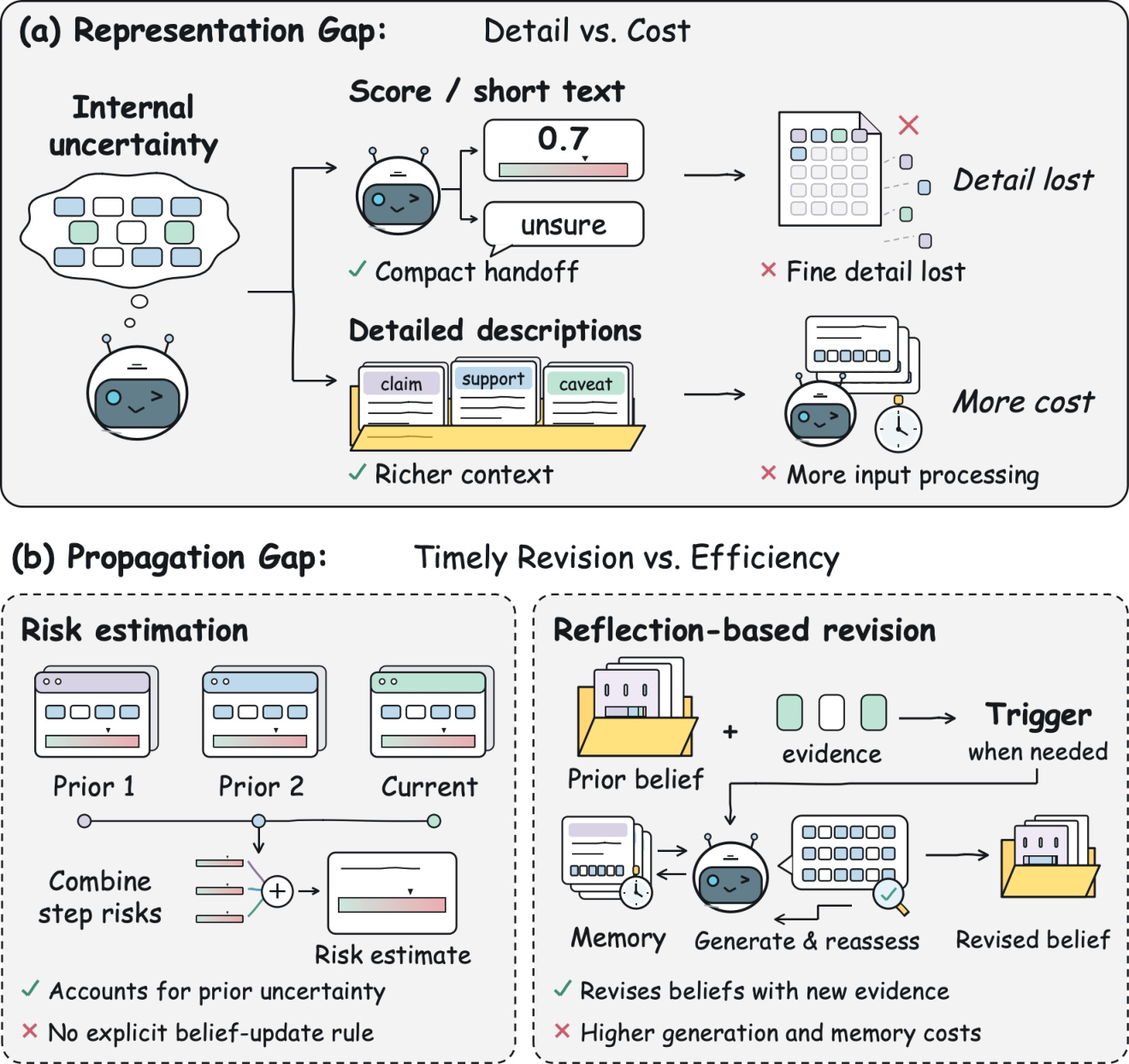
Introduces LProp, built on a latent-space uncertainty estimator that keeps uncertainty-relevant information without lengthy verbal descriptions. It targets multi-step agents that pass tentative judgments downstream as if they were facts, by propagating uncertainty through evidence-conditioned belief revision.
Key insight: Carry uncertainty forward through belief revision instead of letting tentative judgments harden into facts.
ARISE: Practical Self-Evolving Memory for Accurate and Cost-Efficient Enterprise Agents
Jiangyun Zhang, Zhou Tang, Kristen Surrao et al. arXiv: 2611.23588
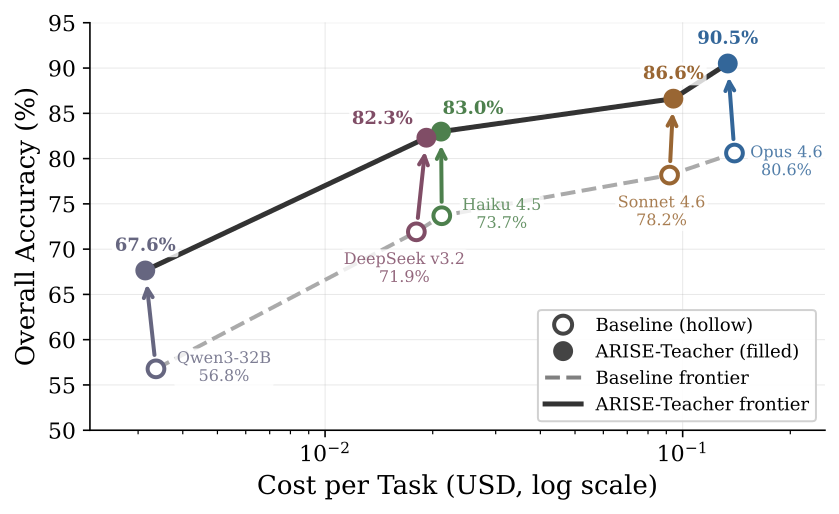
Proposes ARISE (Agent Refinement through Iterative Self-Evaluation), a memory architecture in which an enterprise agent's memory evolves from its own failures without updating model weights, tools or workflow logic. Failures become retrievable notes plus consolidated rules, and a new rule is accepted only if held-out accuracy rises.
Key insight: Accept a new memory rule only if held-out accuracy rises.
RefinementGuard: Counterexample-Directed Semantic Qualification for Hidden Agent-Tool Execution
Adhyayan Veer Singh, Fanjiang Ye, Yuke Wang arXiv: 2611.23611
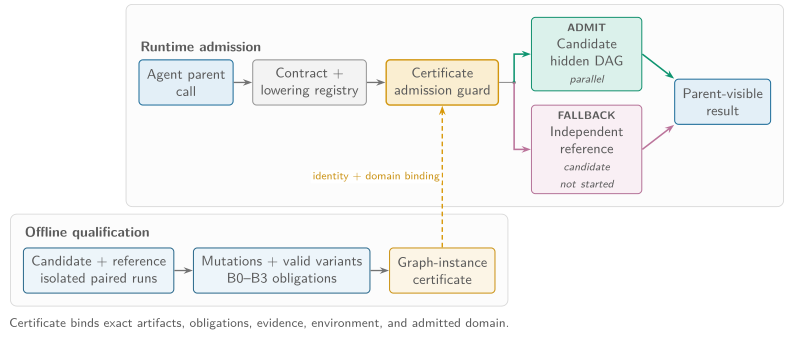
Introduces RefinementGuard, translation validation for hidden, effectful agent-tool lowerings, coupled to artifact-bound, fail-closed runtime admission. It is aimed at tool runtimes that rewrite an agent's operations into other forms, and argues the rewrite should be validated before it is admitted.
Key insight: Validate a tool runtime's rewrite of agent operations before admitting it, and fail closed.
Thinking Fast, Anywhere: One System-1 for the Decision Points of Any Agent Workflow
Rui Li, Liyang He, Zheng Zhang et al. arXiv: 2611.23751
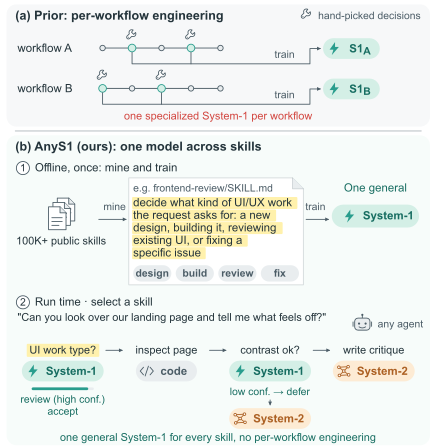
Presents AnyS1, which turns human-authored procedural skills into a shared, domain-general source of decision points, since skill instructions already say where choices arise and which options apply. The decision points can then be handled by a small fast model, which speaks to the cost of skill-driven agents.
Key insight: Use skill instructions to find enumerable decision points and send them to a small model.
Continual Tool-Space Extension Learning for Multimodal Agents
Jinbae Seo, Jungin Park, Hyunsung Jang et al. arXiv: 2611.23810
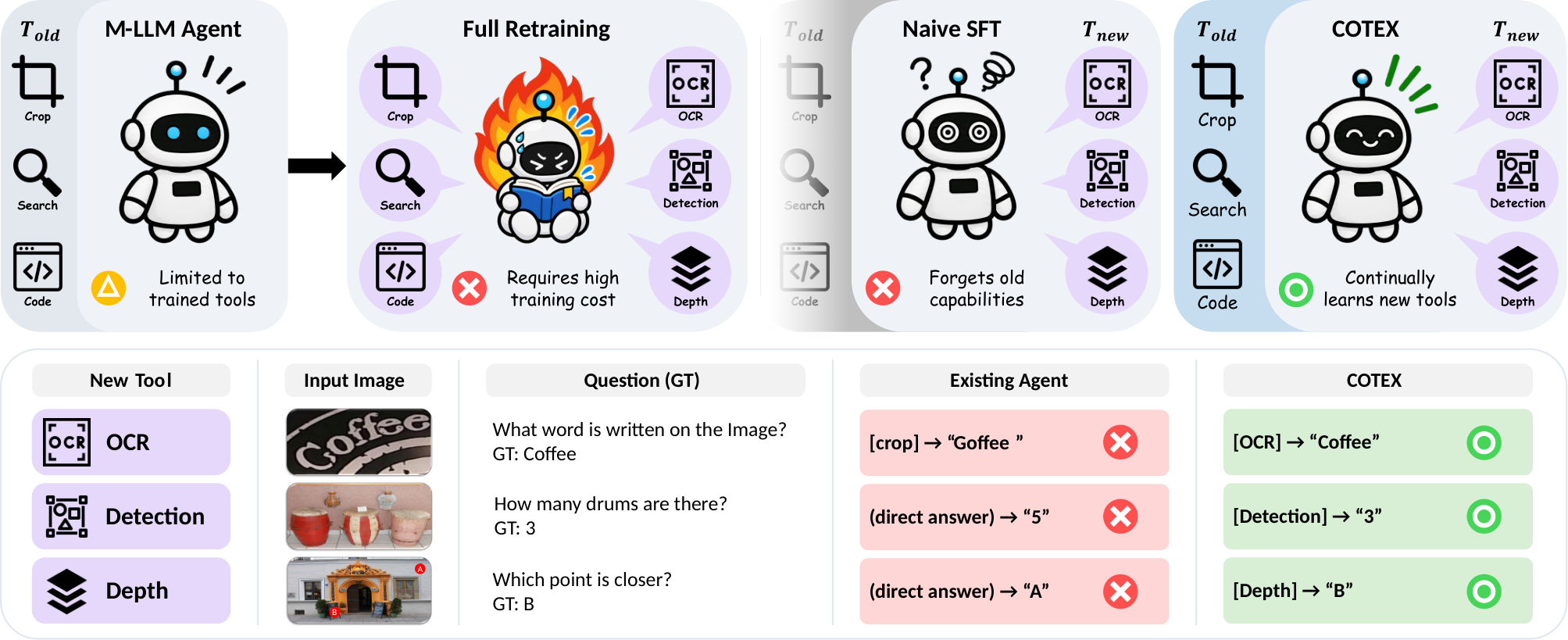
Proposes COTEX, continual tool-space extension learning, which adds new tools to a multimodal agent at adapter-level cost rather than retraining the whole system. It is mostly relevant to multimodal agents whose tool set keeps growing.
Key insight: New tools can be added to a multimodal agent at adapter-level cost.
Metrics-in-the-Loop: Complexity Feedback Reshapes Agent-Written Code
Nicolas Chapados, Jean-François Gagné, Nouha Dziri arXiv: 2611.23817
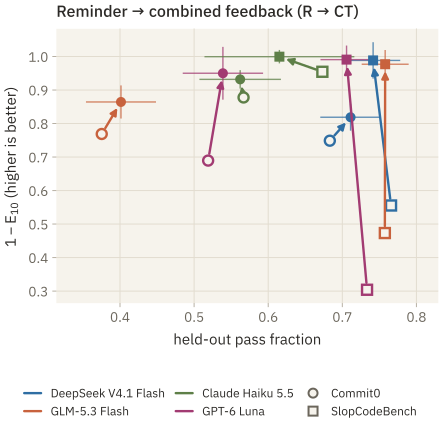
Introduces metrics-in-the-loop, an inference-time intervention that gives agents in-flight feedback: cheap, automatically computed code metrics injected into the agent's context during the trajectory. Because it needs no training, it is the kind of change a harness hook could make today.
Key insight: Inject automatically computed code metrics into the agent context during the run.
SCAFFOLD: Toward Warrant-Preserving Evidence Transport for Reusable LLM-Agent Skills
Nami Cho, Shailja Gupta arXiv: 2611.23990
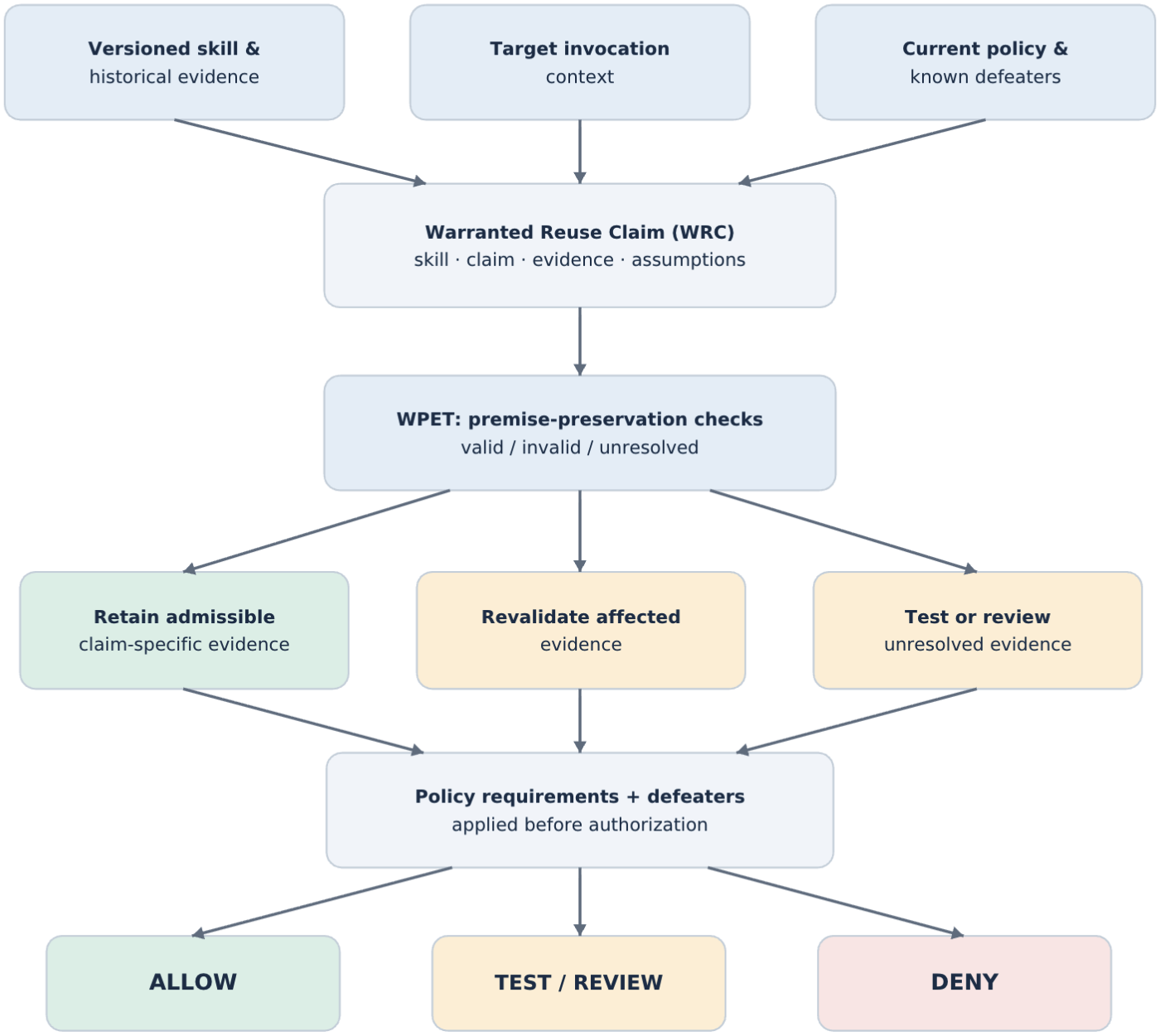
A position paper that sharpens its argument through Warrant-Preserving Evidence Transport (WPET), a proposed discipline for deciding which historical evidence remains admissible after context change. It speaks to reusable skills and memory entries whose recorded evidence may no longer hold.
Key insight: Decide explicitly which recorded evidence stays admissible after the context changes.
Reducing Inference Cost of Coding Agents with Timeout Cascades
Boxi Zhou, German Sviridov, Dmitrii Ustiugov et al. arXiv: 2611.24324
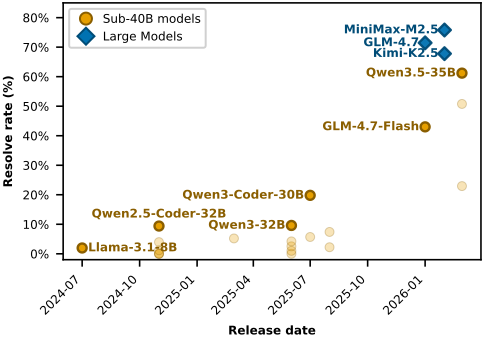
Evaluates 36 popular large and small open-weight models released since 2024 on a software engineering benchmark, and finds that recent small models are closing the accuracy gap with larger ones. The title's timeout cascade tries a cheap small model first and escalates to a larger one only on failure.
Key insight: Try a cheap small model first with a timeout, and escalate to a larger model only on failure.
automodel: A Skill for Agentic Model Discovery
Marco Virgolin, Harry Desmond, Ester Bergantin et al. arXiv: 2611.24347
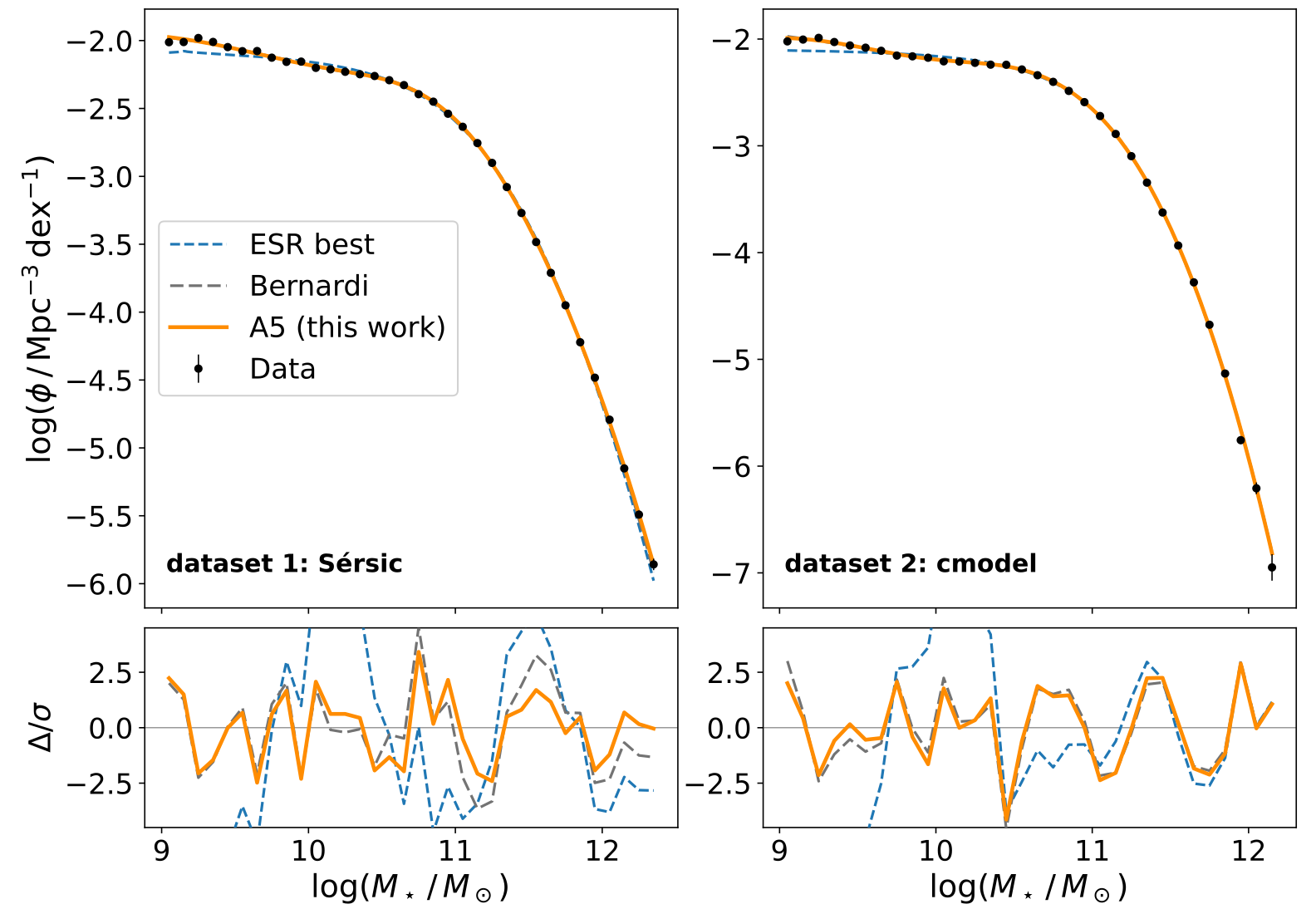
Presents automodel, an agent skill for general model discovery. It is a concrete example of packaging a research task, finding the right model, as a reusable skill rather than a manual search.
Key insight: Package model discovery as an agent skill rather than a hand-run search.
Semantic Context Handoff with On-Demand Evidence for Long-Horizon Agents
Guolong Zheng, Chen Hou, Xu Yang et al. arXiv: 2611.24357
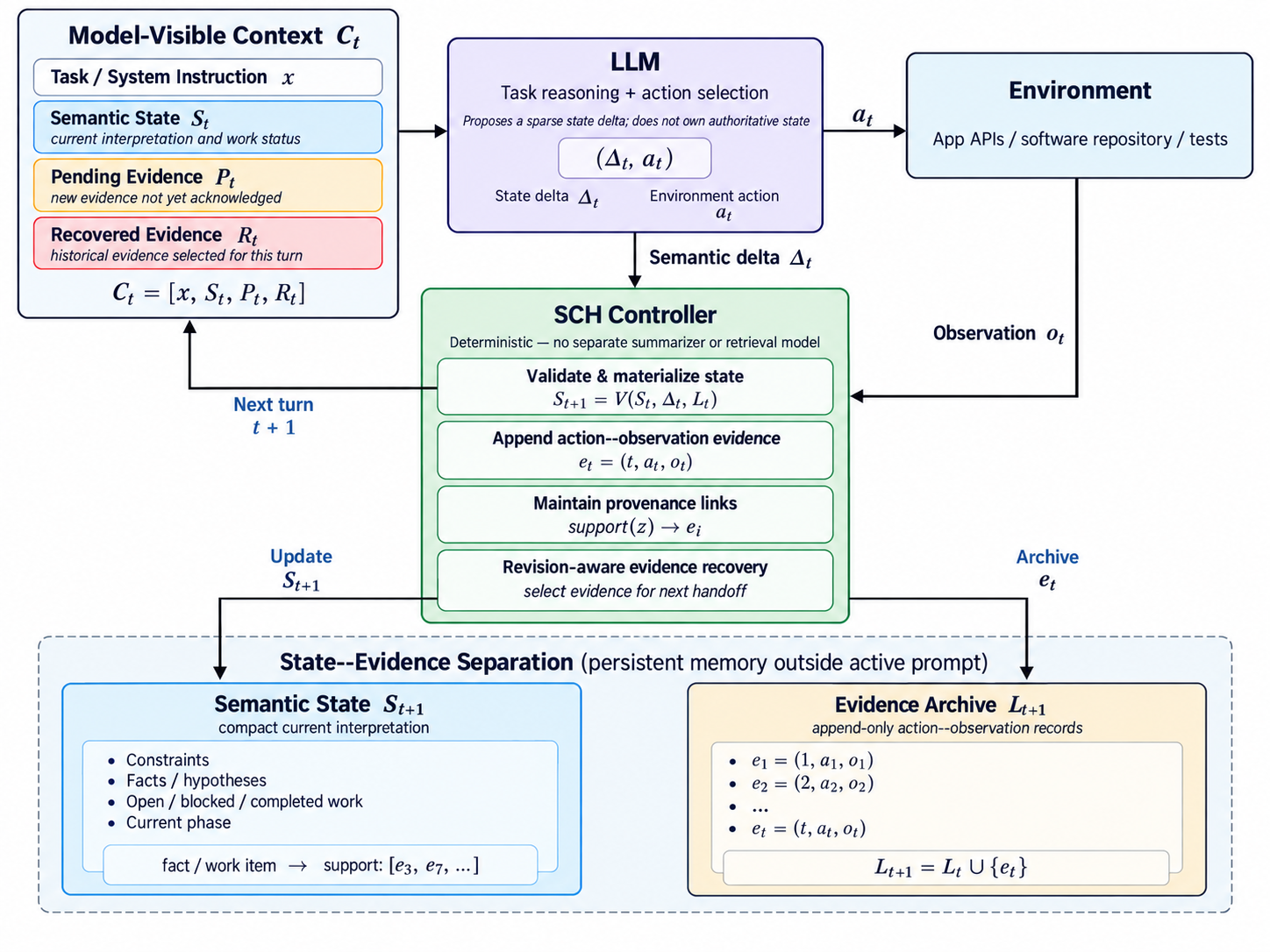
Introduces Semantic Context Handoff (SCH), built on state-evidence separation: a compact semantic state carries the agent's current interpretation, while supporting action-observation evidence stays separately addressable and can re-enter context when later execution makes it relevant, without separate summarization or retrieval-model calls.
Key insight: Hand off a compact semantic state and keep raw action and observation evidence retrievable on demand.
MoE-Context: Show the Model Only What It Needs
Vedant Navale arXiv: 2611.24379
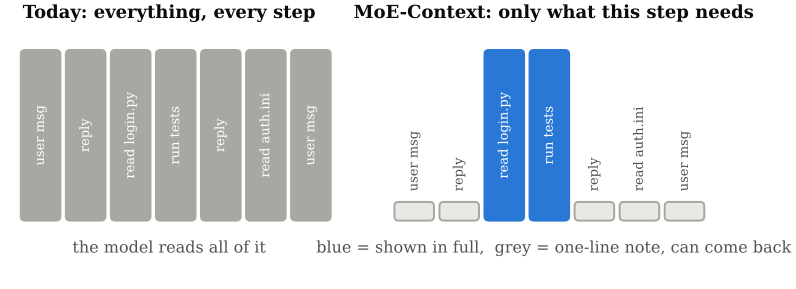
Starts from the observation that AI agents read their whole history at every step, and proposes MoE-Context, which hides irrelevant context blocks by masking over a single KV cache instead of removing them. That avoids deleting context and re-prefilling it, which matters for local inference and context assembly.
Key insight: Mask irrelevant context blocks in the KV cache rather than deleting and re-prefilling.
Resolution as Attention for Efficient Agent Memory Perception
Siqi Xiang, Zhipeng Xu, Shengrui Liu et al. arXiv: 2611.24422
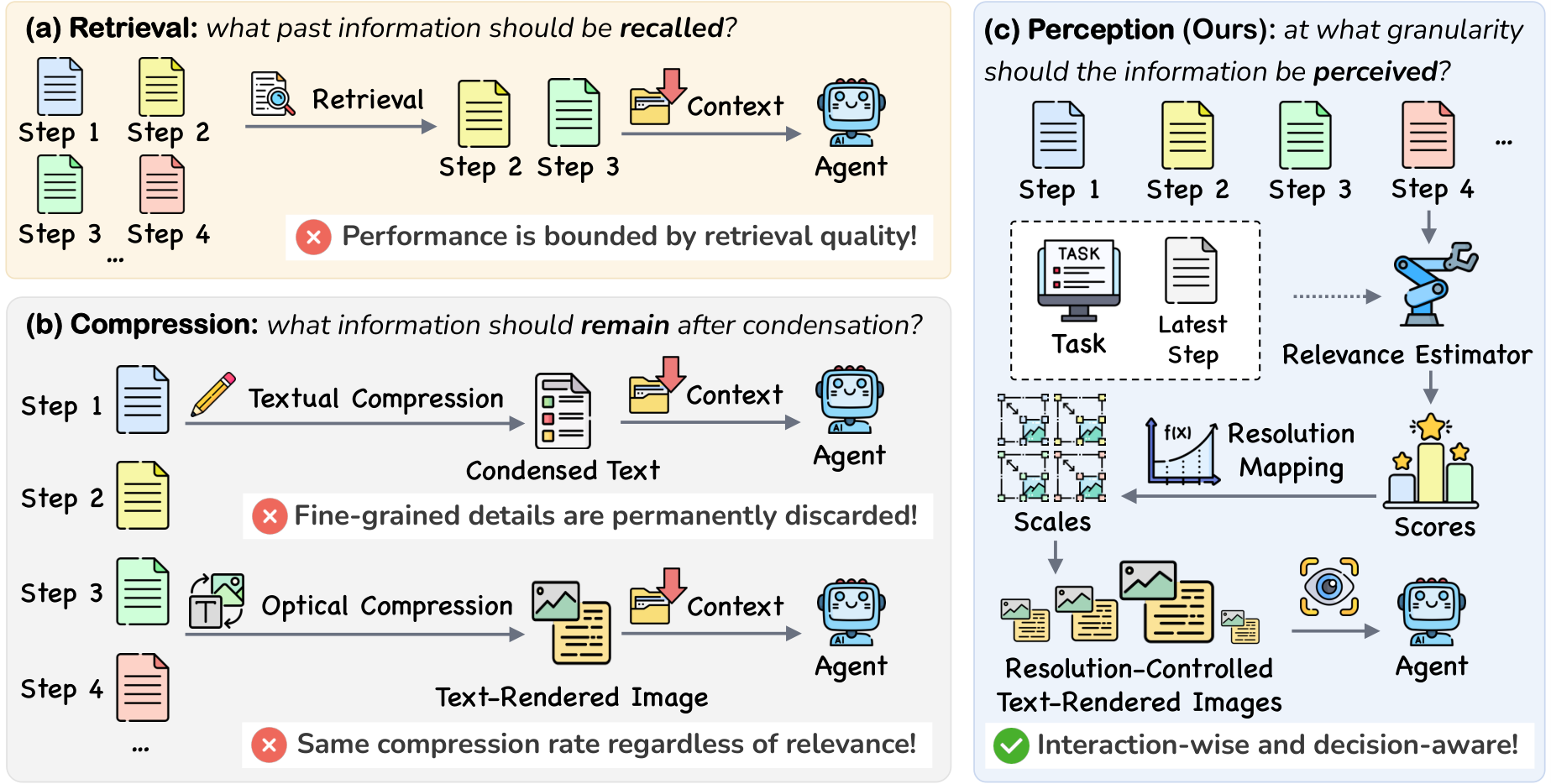
Proposes Resolution as Attention (RAA), a memory perception mechanism that uses visual resolution as a way to allocate attention across interaction histories. Past interactions are shown at lower resolution unless they matter for the next decision, an unusual compression idea for multimodal agents.
Key insight: Show past interactions at lower resolution unless they are relevant to the next decision.
Local AI Agents in Power Electronics Simulation: Deployment, Measurements and Costs
Yuzhuo Li, Pasan Gunawardena, Yunwei Li arXiv: 2611.24880
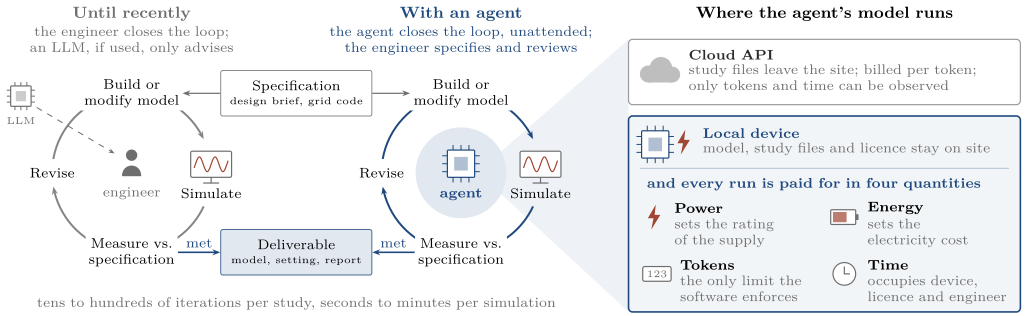
Presents a systematic evaluation framework for local AI agents in power electronics simulation, with deployment, measurements and costs. It is a niche domain, but a useful data point on what running agents locally actually costs.
Key insight: A measured local-agent deployment gives concrete cost data for a niche engineering domain.
When Single Agent Is Enough: Rethinking Multi-Agent Systems for Automated Code Review
Jiawei Li, Hoa Khanh Dam, Iftekhar Ahmed arXiv: 2611.23283
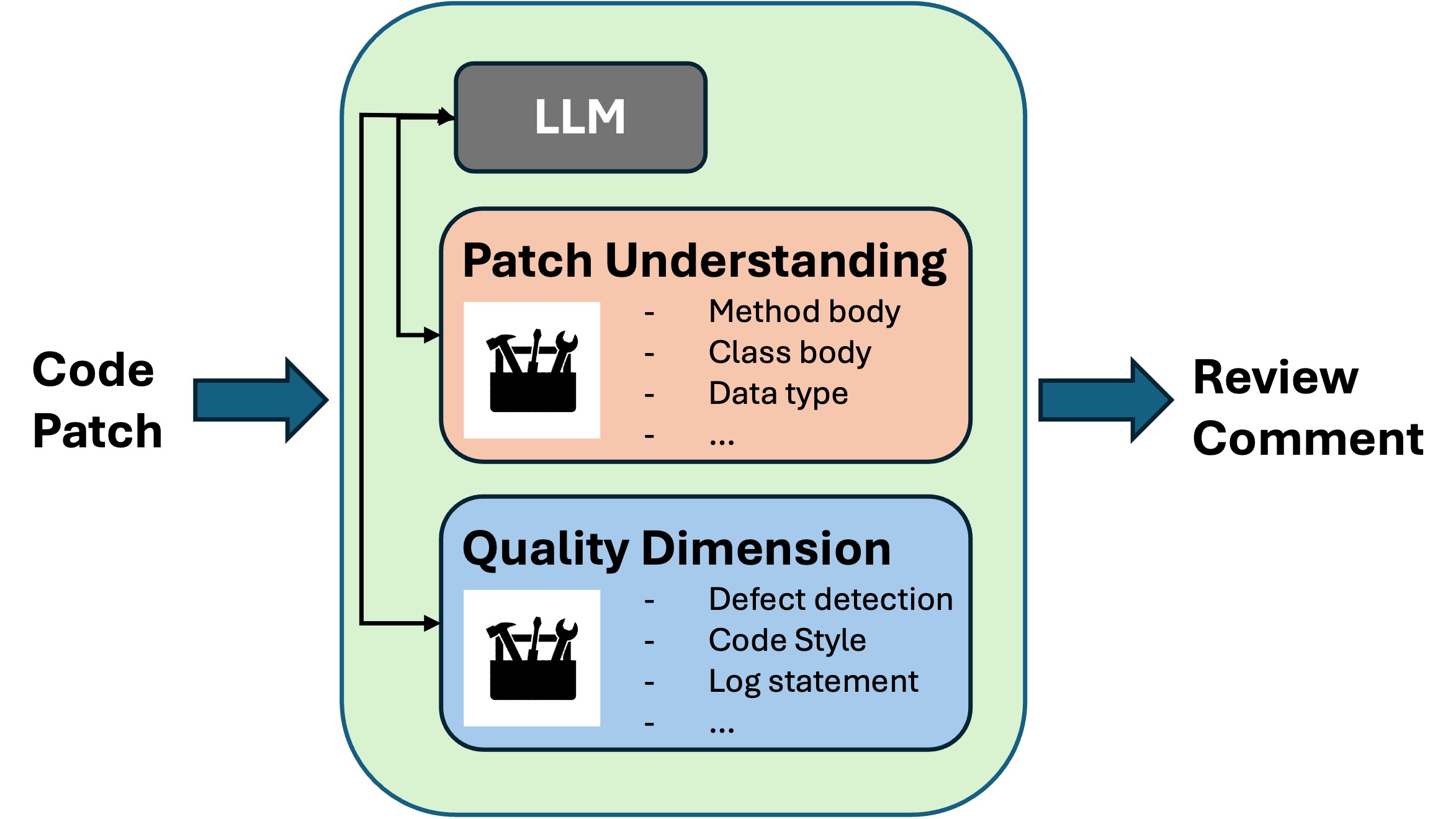
Revisits automated code review, where recent multi-agent approaches reach state-of-the-art results on Review Comment Generation and Code Refinement by coordinating agents specialized in different quality dimensions. The paper asks whether that coordination is needed or whether a single agent is enough.
Key insight: Baseline a single agent before adding multi-agent coordination.
Dependency Fabrication in Repository Deployment Agents
Robin Matter, Salman Toor arXiv: 2611.23305
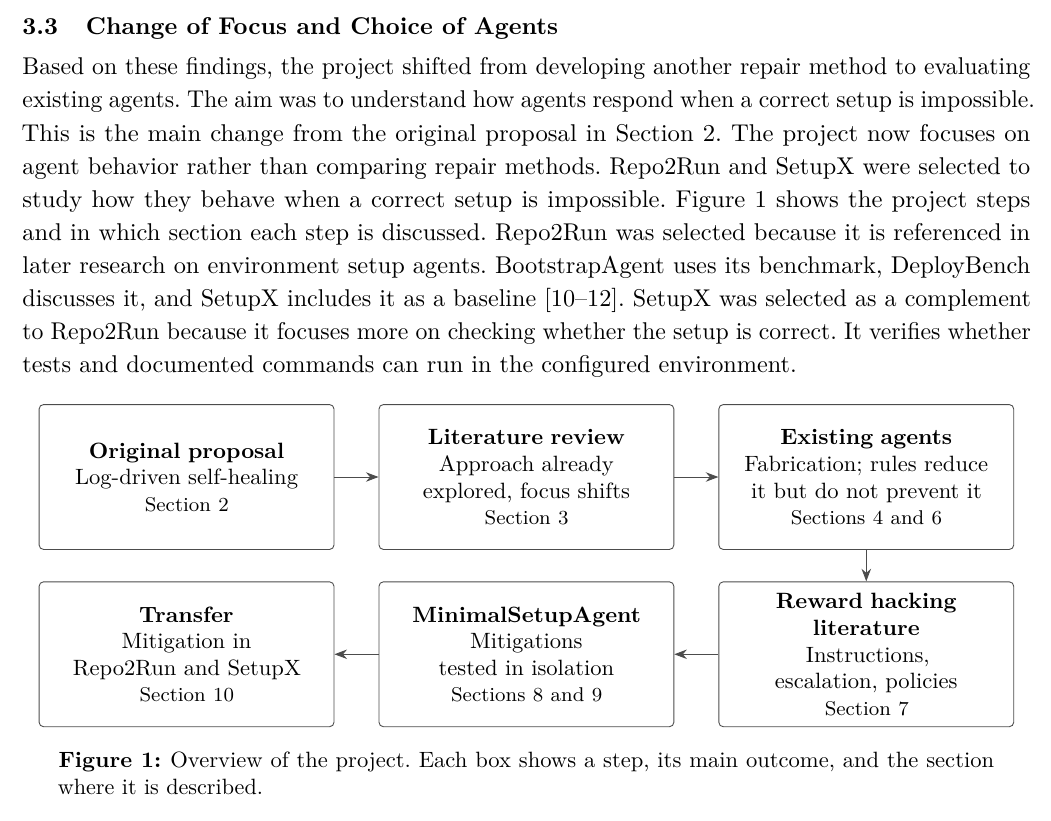
Studies dependency fabrication in repository deployment agents. On MinimalSetupAgent, which was built for the report, mitigations proposed in the reward-hacking literature were most effective when the agent received a direct rule and had a clear way to stop and report the problem.
Key insight: Give agents an explicit rule and a clear stop-and-report path for unresolvable dependencies.
Repository-Grounded Rubrics for Execution-Free Evaluation of Coding Agents
Matej Gerek, Danylo Zahorulko, Samuel Budai et al. arXiv: 2611.23309
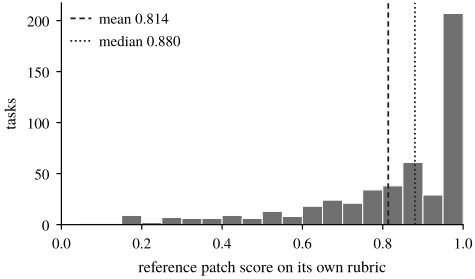
Adapts agentic rubrics, introduced for selecting among candidate patches, into an execution-free measure of how far a patch satisfies a task's requirements, grounded in the repository. Scoring without running code is a cheap way to grade coding-agent output.
Key insight: Rubric scoring grounded in the repository can grade patches without executing them.
Idempotency Is Not Recovery: A Fault-Injection Study of Language-Model Agent Tool Actions
Song Xu arXiv: 2611.23353
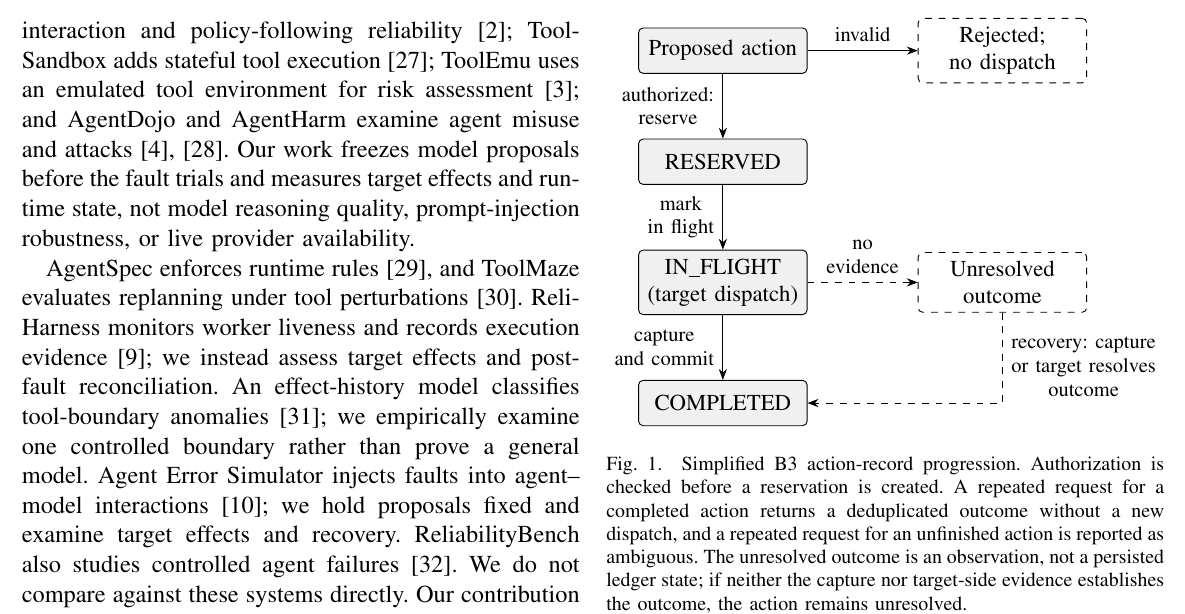
A fault-injection study of agent tool actions in a controlled runtime combining authorization, an action ledger, target-side idempotency, reconciliation and evidence sealing. The title states the finding: making an action idempotent is not the same as recovering from a failure.
Key insight: Keep an action ledger and reconcile after failures instead of relying on idempotent retries alone.
The Value Semantics Layer: Enabling Machine-Understandable Databases for Agentic AI
Jalal Mahmud, Eser Kandogan arXiv: 2611.23629
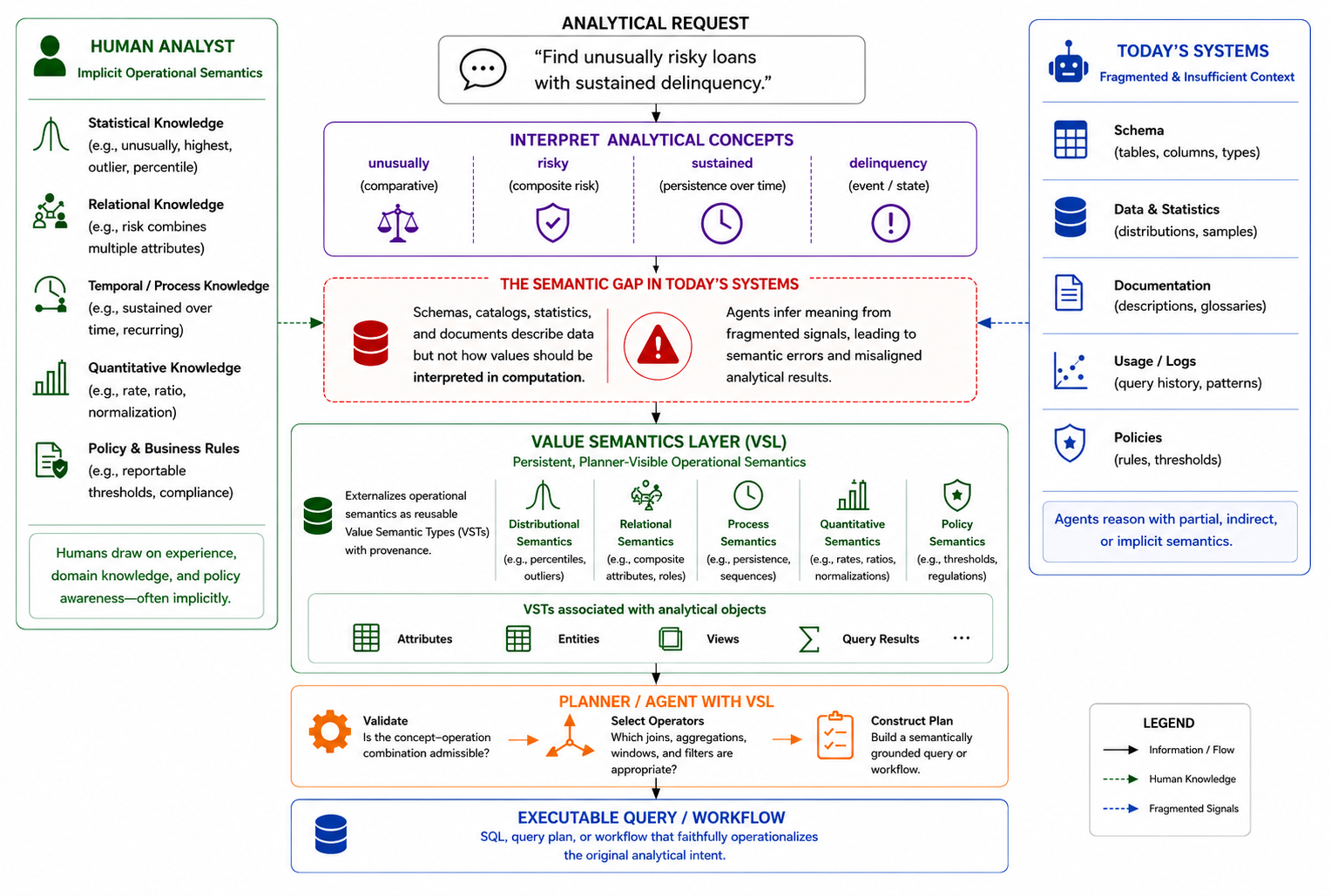
Proposes a Value Semantics Layer for databases used by agents. Existing metadata systems expose schemas, catalogs, lineage and governance information but offer limited support for operational semantics, so the paper makes value meaning persistent and visible to the planner.
Key insight: Make the operational meaning of database values visible to the agent's planner.
Safe Personal RSI: Evaluating and Repairing Personal-Agent Updates
Jiapeng Pei, Yuhang Yao, Sitan Liu et al. arXiv: 2611.23651
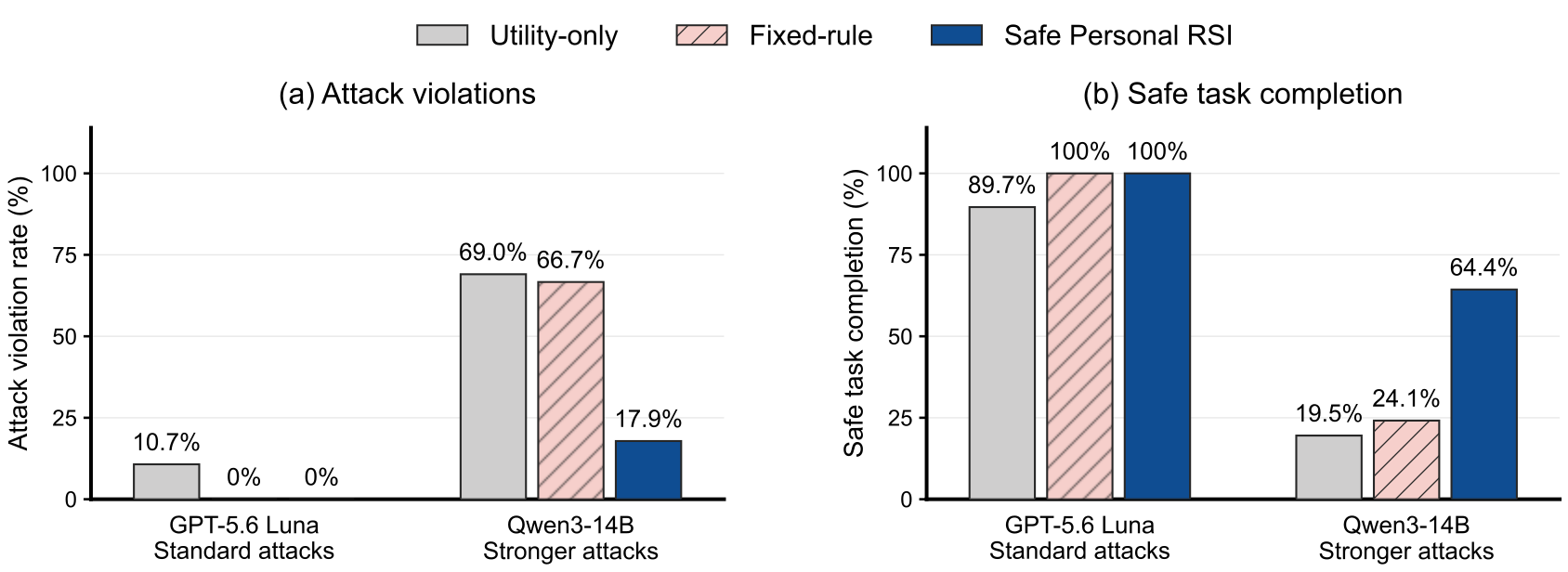
Studies Safe Personal RSI, an update-evaluation component developed for Kicker. The idea is to evaluate and repair a personal agent's own updates before they ship.
Key insight: Evaluate and repair a personal agent's updates before they ship.
Learning through Discernment: when a small language model learns from user feedback on the job, and when it decays
Sirisilp Kongsilp arXiv: 2611.23716
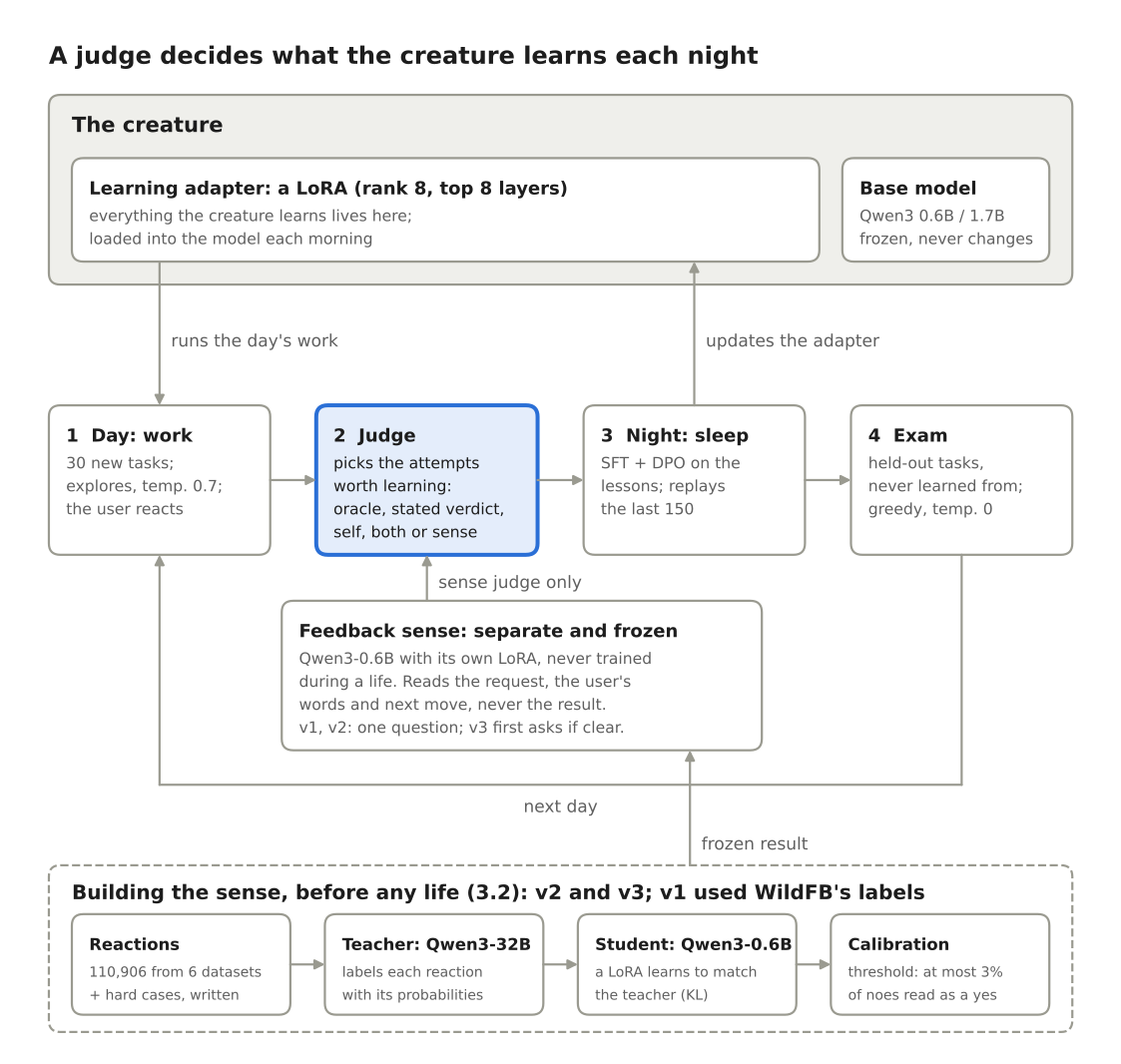
Studies a small model (Qwen3 0.6B and 1.7B) with a LoRA adapter, fine-tuned each night on the attempts a judge accepts, over 127 lives of up to a year on WebShop and tau-squared-bench. It asks when learning from user feedback on the job works and when it decays.
Key insight: A nightly LoRA update from judge-accepted attempts is a continual-learning pattern for small local models.
How Complete Must an Environment Be to Train a Capable GUI Agent?
Jingxing Wang, Teng Wang, Xingyu Lou et al. arXiv: 2611.23946
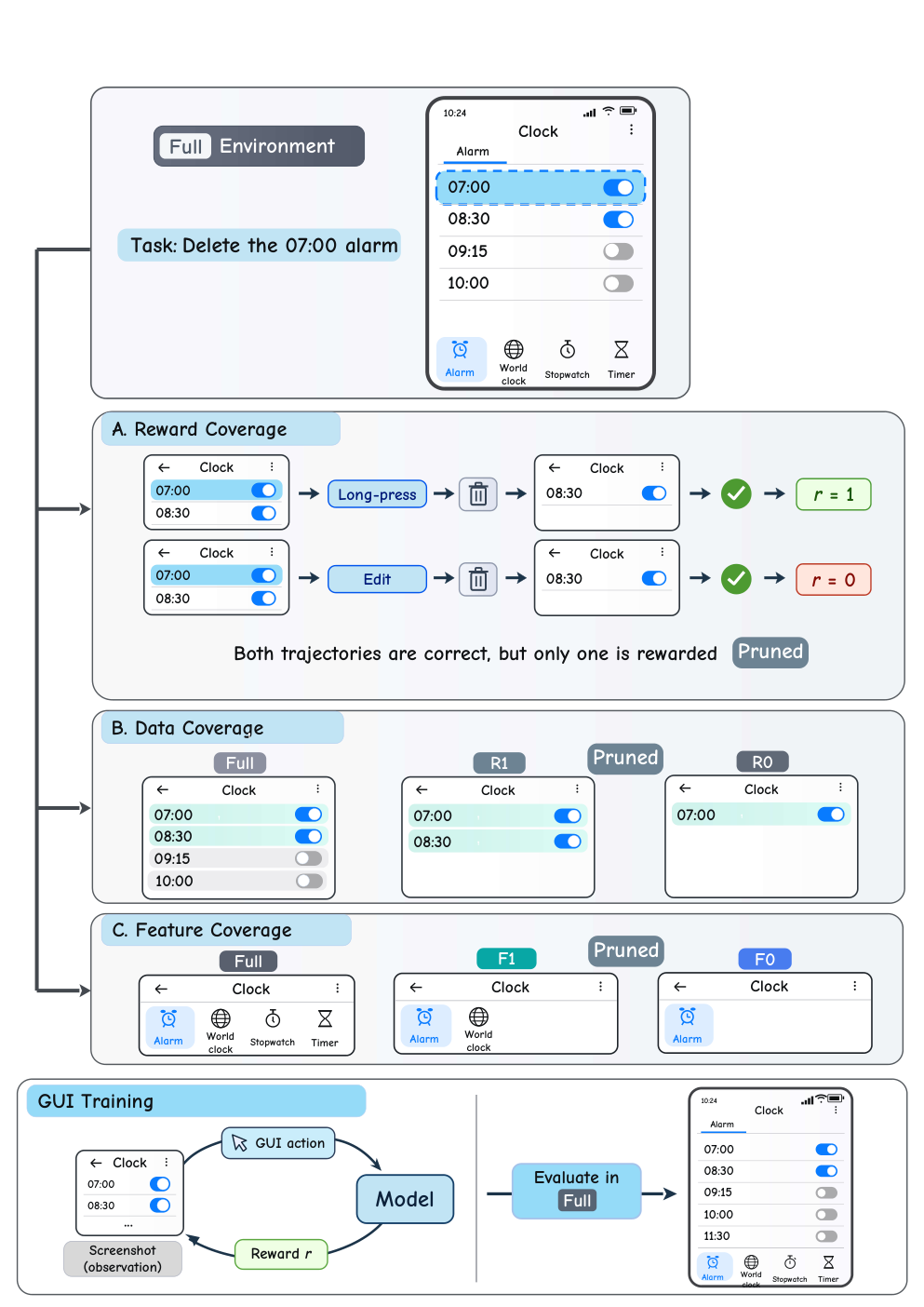
Asks how complete a training environment must be to produce a capable GUI agent, given that GUI agents are widely trained in executable GUI environments. The result is guidance on what such an environment can leave out.
Key insight: Shows what a GUI-agent training environment can drop and still train a capable agent.
Intent Contracts: Taking Tools Away from Agents
Ziyuan Wang, Genliang Zhu, Xiaobo Chen et al. arXiv: 2611.24025
Proposes intent contracts, which take tools away from agents rather than adding guardrails around them. The evaluation covers benign over-reach with one pair of models, not adversarial planners, so the claim is scoped accordingly.
Key insight: Remove tools an agent does not need for the task to limit over-reach.
AutoPI: Taxonomy-Guided Adaptive Red Teaming for Prompt Injection in LLM Agents
Stavros Damianakis, Konstantinos Psounis arXiv: 2611.24313
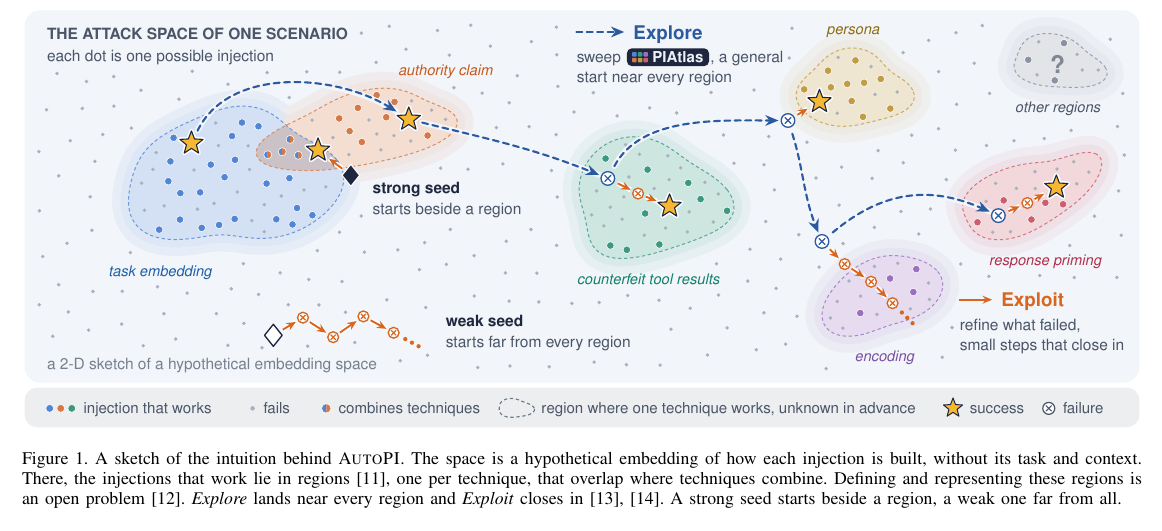
Presents AutoPI, an adaptive red teamer for prompt injection, guided by a taxonomy and designed to find many different ways to break a target, not just to break it often.
Key insight: Taxonomy-guided red teaming finds diverse prompt-injection breaks, not just frequent ones.
PIPETTE: Prompt Injection Purple-Teaming for Robust LLM Agents
Lipeng He, Yihan Wang, Jiawen Zhang et al. arXiv: 2611.24362
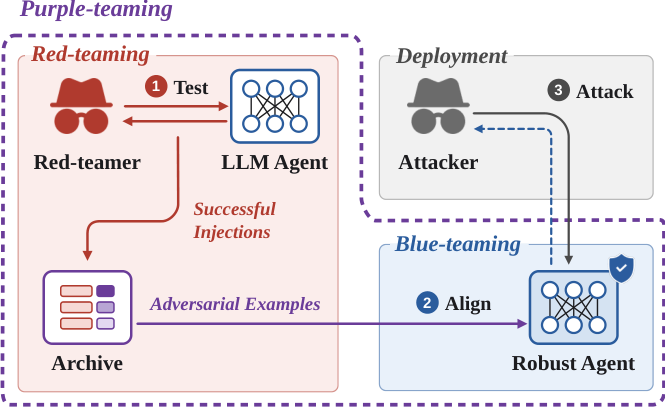
Presents PIPETTE, a purple-teaming approach to prompt-injection robustness. It shows that achieving a high attack success rate during red-teaming does not guarantee robustness gains from subsequent adversarial training.
Key insight: A high red-team attack success rate does not guarantee robustness after adversarial training.
Probing agent overeagerness in realistic settings with continuation audits
Sean Lim, Clement Neo arXiv: 2611.24491
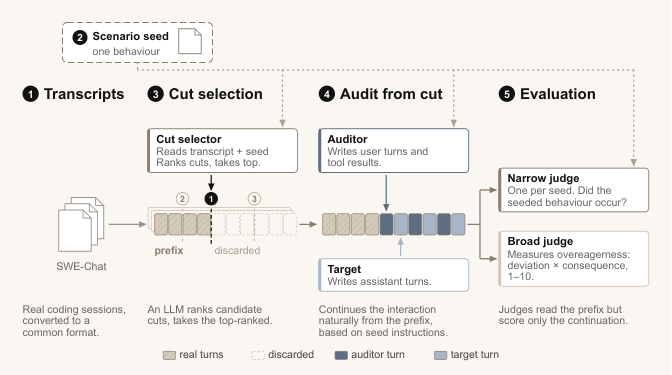
Introduces Continuation Audits, a pipeline that grounds an auditor on a prefix drawn from a real coding-agent transcript and directs it to continue the trajectory toward a seeded behaviour, probing overeager or reckless agent actions in realistic settings.
Key insight: Probe reckless agent behavior by continuing real transcript prefixes toward a seeded behavior.
Clover-35B-A3B-Preview Technical Report
DiffuSpace Technical Team arXiv: 2611.24636
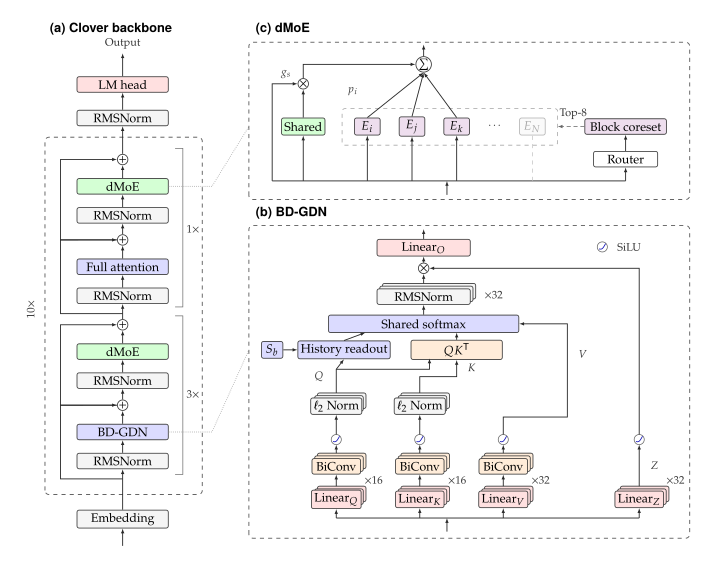
A technical report for Clover-35B-A3B-Preview, a mixture-of-experts diffusion language model with 35 billion total and 3 billion activated parameters, supporting thinking-mode generation. The abstract does not say whether the weights are open or how it runs on consumer hardware.
Key insight: A 35B-total, 3B-active diffusion language model with thinking mode.
Agentic Harness Engineering Beta: Requirement-Centered Evolution of Agent Harnesses
Jiahang Lin, Jiahao Chen, Yiding Wang et al. arXiv: 2611.24924
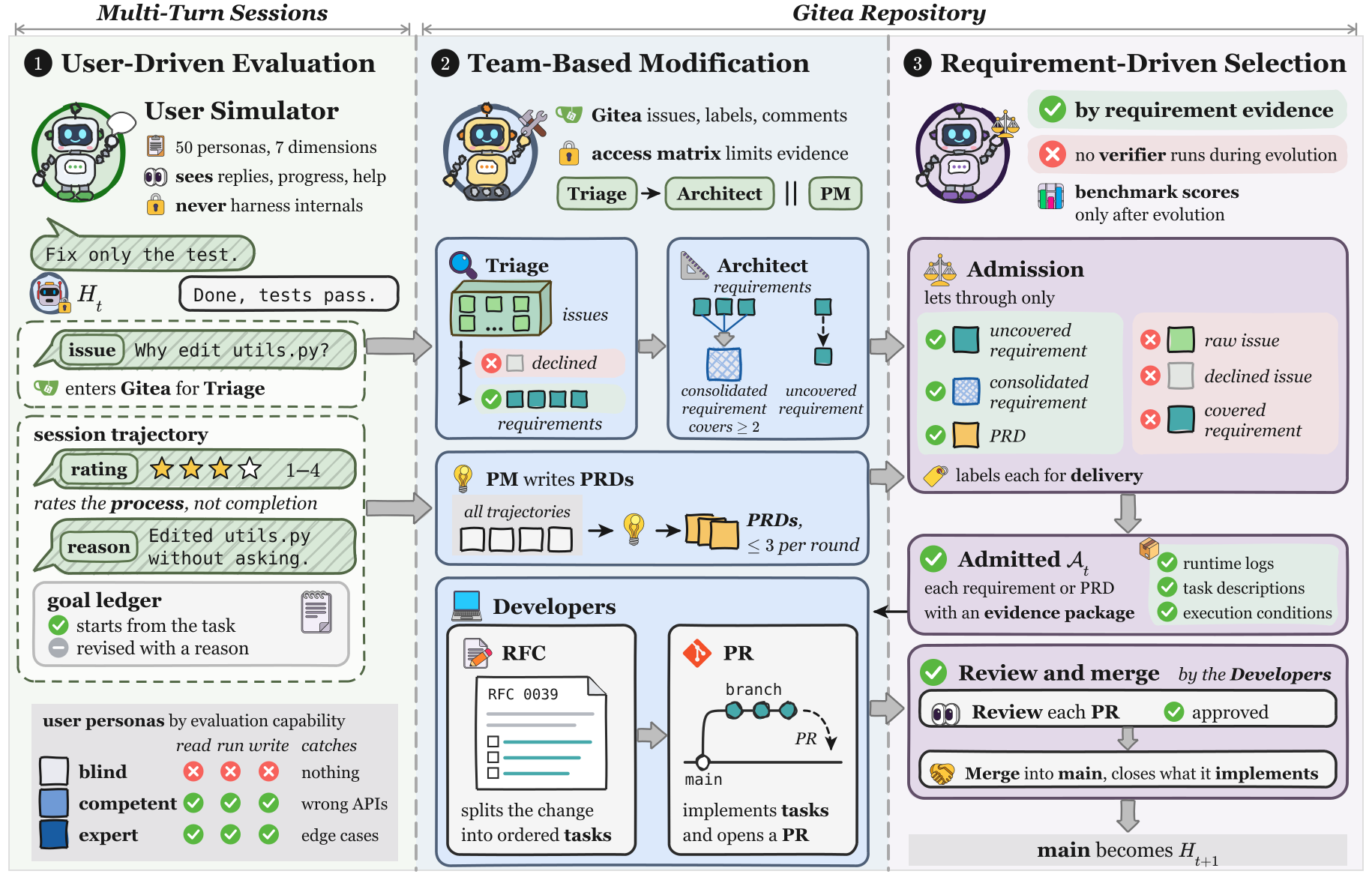
Introduces Agentic Harness Engineering Beta (AHE-Beta), a requirement-centered loop that brings real-world engineering practices into harness evolution, evolving harnesses from requirements rather than from benchmark scores alone.
Key insight: Evolve agent harnesses from stated requirements rather than benchmark scores.
News and changelogs
- Claude Code releases: v2.1.328 adds auto mode for Opus 4.6 and Sonnet 4.6 on Bedrock, Google Cloud's Agent Platform, Microsoft Foundry and the Claude apps gateway,
"onFailure": "block"formcp_toolhooks, andCLAUDE_CODE_DISABLE_DEFERRED_TOOL_RESUMEfor hosts — failing MCP hooks can now block actions, which matters for guardrail hooks. link - Gemini API changelog: Gemini 4 Neon (
gemini-4-neon) is GA at $3.00 per 1M input and $15.00 per 1M output tokens, with four thinking levels and a 1M-token context window — a new pricing and context option for agent routing. link - Gemini API changelog: multimodal file processing and slicing lets you pass Office and OpenDocument files directly and slice documents, spreadsheets, video and audio, including in function responses, and you pay only for the slices you select — agents handling large documents can send less. link
- OpenAI news: Inside the Codex sandbox explains how Codex runs commands on your machine while enforcing filesystem and network limits on macOS, Linux and Windows — a reference design for agent sandboxing. link
- OpenAI news: Research acceleration: The jagged frontier measures how coding agents speed up AI research, where they stay uneven, and what that says about recursive self-improvement — evidence on where coding agents help and where they do not. link
- LangChain blog: LangSmith now has reporting for coding agents that ties their spend to the pull requests they produce — spend-by-outcome tracking for agent cost. link
- Anthropic news: Anthropic prices its initial public offering (the feed returned no summary text) — a major vendor milestone for agent builders that depend on Claude. link
- OpenAI news: OpenAI models optimized circuits used in Jalapeño silicon and improved RISC-V core designs — AI-assisted chip design, with no direct agent-platform angle. link
- OpenAI news: Dean Ball's essay The Silent Consensus on how more capable AI could reshape society and institutions — a policy essay with no direct agent-platform angle. link
- OpenAI news: Le Groupe Figaro and OpenAI partner to bring Le Figaro journalism to ChatGPT via summaries and excerpts with links — a publisher deal with no direct agent-platform angle. link